News
Meet Marie-Anne Goyette, IRIC’s new principal investigator!
Published on June 1, 2026
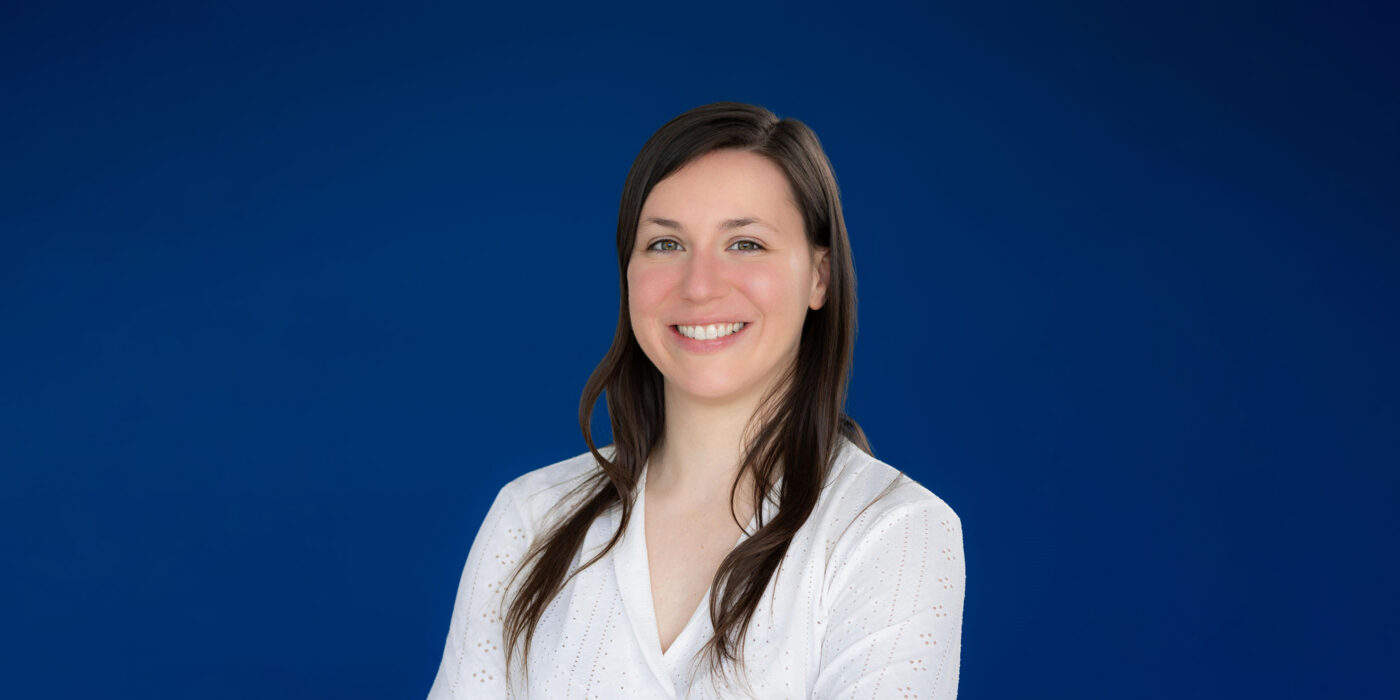
IRIC is proud to announce the arrival of Marie-Anne Goyette as the new Principal Investigator in Tumor Heterogeneity and Metastasis Research Unit. Marie-Anne Goyette has kindly agreed to answer a few questions:
What led you to pursue research? And more specifically, cancer research?
Marie-Anne Goyette (M-A.G.): I chose to pursue research in oncology because of the human impact of this disease. Cancer is a major health issue that affects so many people. I’m particularly interested in metastasis and treatment resistance, as they are the leading causes of cancer-related deaths. These processes are highly complex, and I’m excited to tackle constant and fascinating scientific challenges. Cancer research spans multiple scientific disciplines, and the avenues for research are endless. Every discovery has the potential to unlock new therapeutic strategies that could save lives.
How did you come to specialize in your current field of research?
M-A.G.: For my Ph.D., I focused on metastasis formation and identified promising therapeutic targets that could prevent it. For my postdoctoral fellowship, I wanted to explore the field of translational research further by working at the Dana-Farber Cancer Institute, affiliated with Harvard University, in Boston. Being part of research groups composed of researchers, clinicians, and patients helps ensure we don’t lose sight of the clinical perspective and the benefits our research can bring to patients. Throughout my training, I have therefore focused particularly on clinical challenges that directly affect patients, the formation of metastases, and treatment resistance. Indeed, I wanted to specialize in a field where clinical needs are significant and where my research could have an impact on people’s lives.
How did IRIC’s model catch your attention?
M-A.G.: What attracted me to IRIC was the presence of diverse areas of expertise that complement my research and can help take it further. I believe that the complexity of cancer requires a highly multidisciplinary approach, and IRIC is an ideal environment for collaborative research, which is essential for the next major breakthroughs in the fight against cancer.
What is your greatest wish for the coming years?
M-A.G.: I hope to see the development of new treatment approaches that are effective and have few side effects, thereby extending patients’ lives. This begins with improving patient stratification to enable a more personalized approach, which will improve the quality of life for those affected.