News
National Philanthropy Day 2026 — Mélanie Lefebvre: Art, Research, and Hope
Published on November 16, 2026
There are encounters that move us deeply and give us new momentum. Meeting Mélanie Lefebvre was one of them.
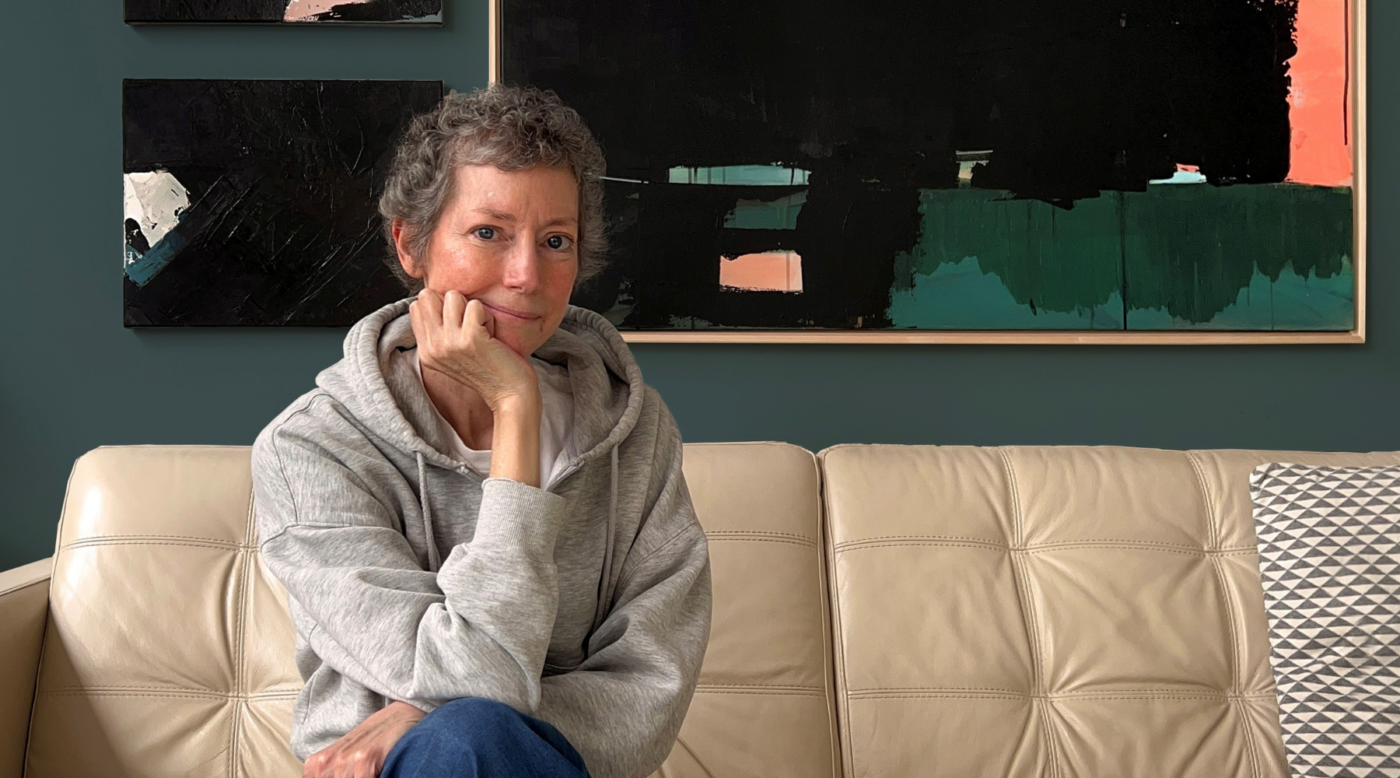
In late September, the IRIC communications team had the opportunity to meet her. A painter based in Shefford, in the Estrie region, Mélanie received a transplant last January of umbilical cord blood stem cells that had been multiplied using the UM171 molecule, discovered at IRIC by the teams led by Guy Sauvageau and Anne Marinier.
As we spoke with her, we discovered a radiant woman, a passionate artist, and a sensitive writer. Her way of recounting her life, the role painting plays in her daily routine, and her generosity deeply moved us.
To mark National Philanthropy Day, we wanted to give her a platform and share her story of her treatment journey—not only to share her experiences and her perspective on research, but also to introduce you to her artistic world.
Can you tell us about your journey and what led you to receive a transplant using the UM171 molecule?
Mélanie Lefebvre (M.L). “It happened on December 27, 2024. At Granby Hospital, after asking me a whole bunch of questions about my health and following a biopsy, they told me: ‘ ‘If I don’t call you by 5:00 p.m., it means you don’t have leukemia.’ The phone rang at 4:47 p.m.
Acute myeloid leukemia (AML) with a TP53 gene mutation. I rushed to Fleurimont Hospital (CHUS) to start my first rounds of chemotherapy. At that time, no clinical trials were available, and a standard transplant wasn’t an option, I was told. So, I underwent consolidation chemotherapy every month, along with platelet and hemoglobin transfusions.
At the end of the summer of 2025, I traveled to the United States for an allogeneic transplant study. My cousin was a match, but a relapse made me ineligible. Back in Quebec, I learned that the umbilical cord blood protocol would begin in the fall at Maisonneuve-Rosemont Hospital (HMR) in Montreal. I resumed chemotherapy with the wonderful team at the Sherbrooke University Hospital Center (CHUS). But in November, I suffered a second relapse. My partner and I were devastated. Yet after ten rounds of chemotherapy, I finally made it to my transplant—exhausted, but alive! From the very beginning, I didn’t know when or how, but I knew I would make it!
The extraordinary team at HMR took me under their care. They explained that the UM171 molecule would multiply the cells in my graft. On January 30, 2026, I finally received my “baby cells.” I am the happiest woman in the world!”
On National Philanthropy Day, what would you like to say to people who support cancer research or are considering doing so?
(M.L). “First of all, I want to say thank you. If it weren’t for research, I wouldn’t be here talking about my art and my life.
Together, we can make a real difference in shaping the kind of society we want to be. We have the best researchers, oncologists, and other healthcare specialists in our hospitals across Quebec. It’s a privilege to know these compassionate people who save lives.
Thanks to your generosity, you’re giving scientists the means to understand, treat, and defeat this disease. Your support drives future discoveries and brings real hope to patients and their families. Several doctors have confirmed to me that leukemia is becoming increasingly common among young people. Let’s work together to eradicate this scourge, so that our youth can lead active, healthy lives.”
What role does painting play in your life, and how do your collections reflect what you’re going through?
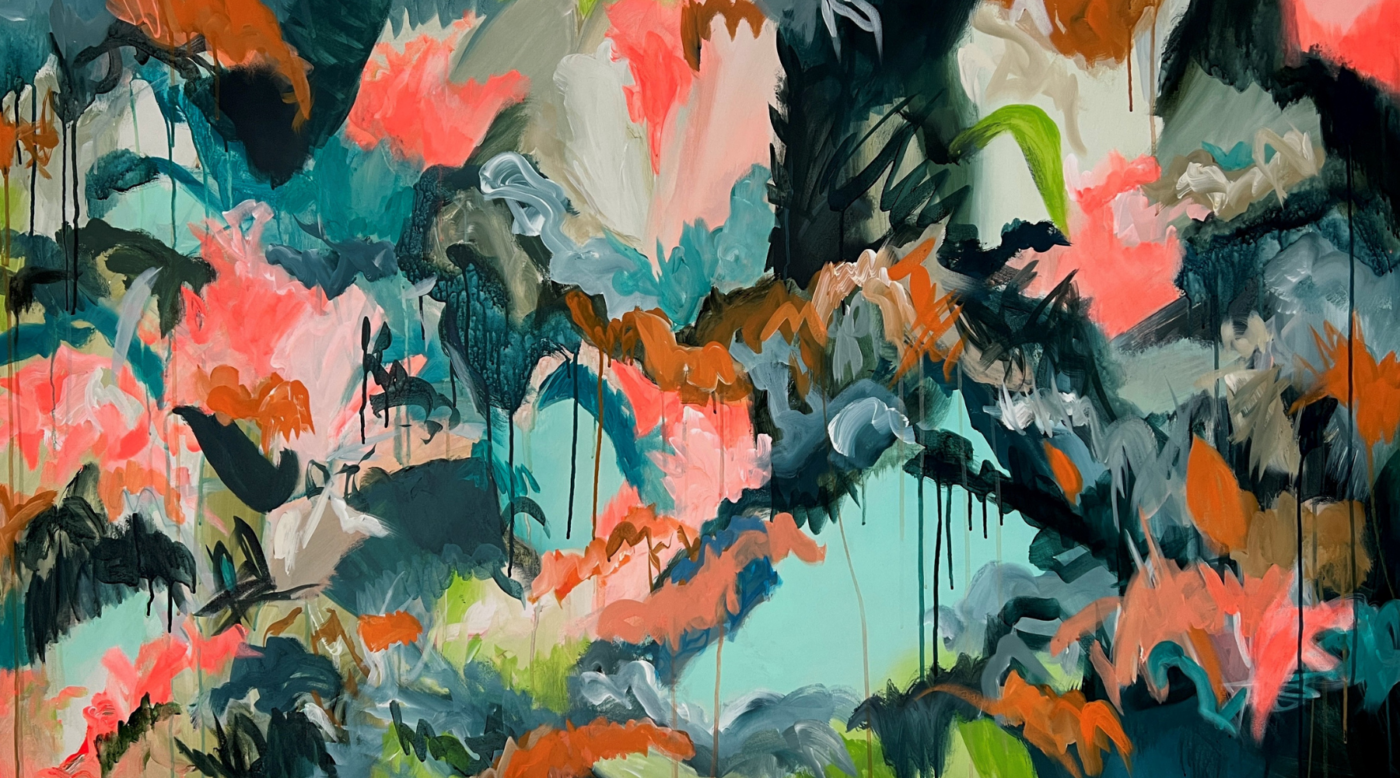
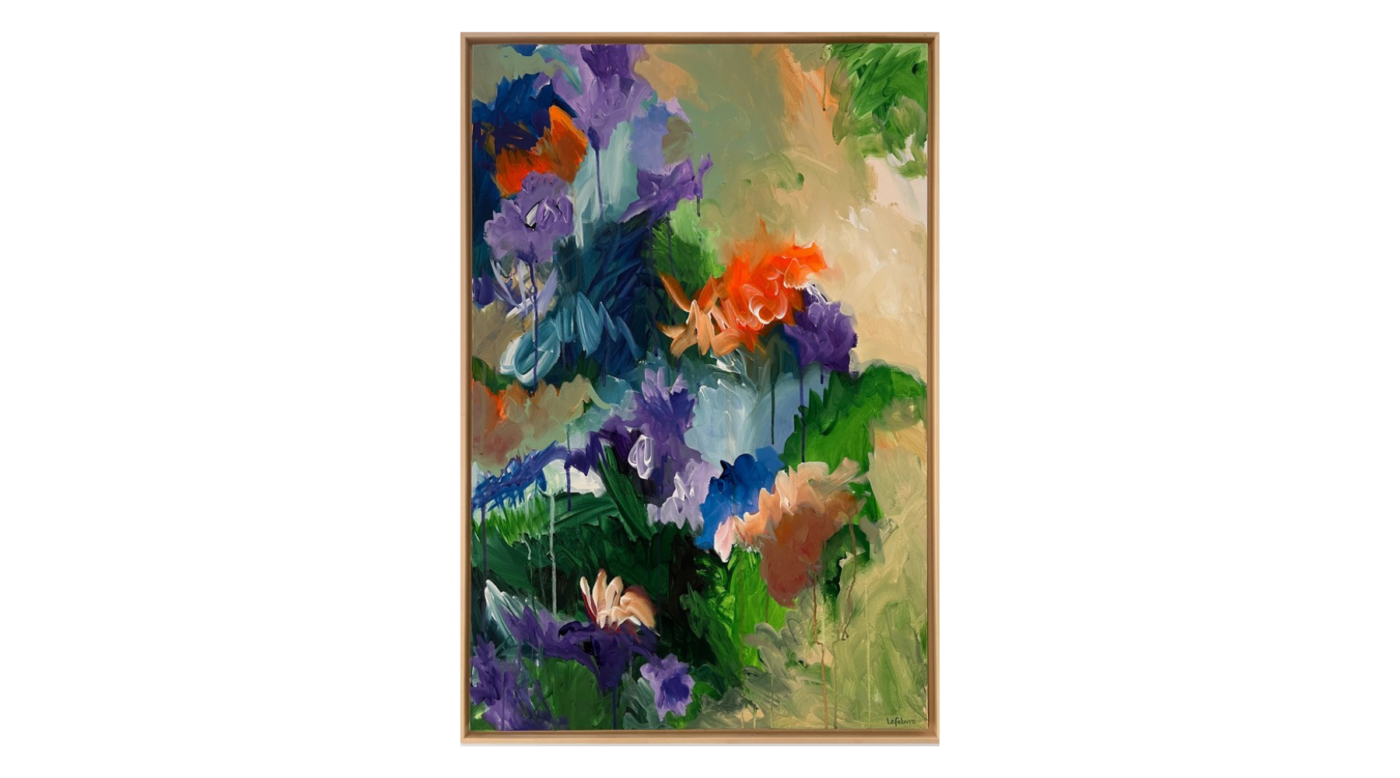
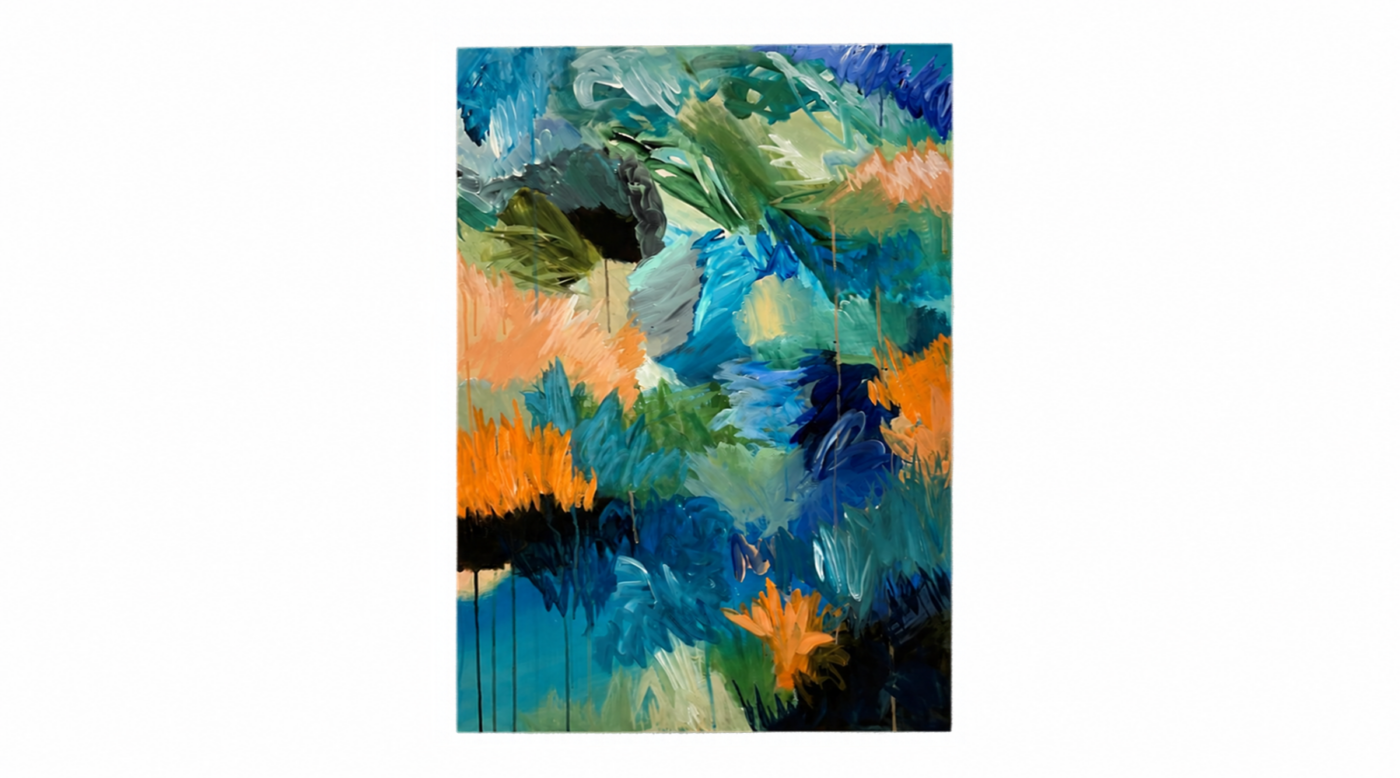
(M.L). “I always put my painting at the center of my life. For the Mon cœur collection, it was the urgency of living, the roller coaster of the complicated life of someone with cancer: doctor’s appointments, blood tests, transfusions, follow-ups, long periods of isolation, and so on.
Whenever I had the chance to be in my studio, and before I started painting, I’d take the time to listen to my heartbeat, and I’d think to myself: Wow, how lucky I am! That little heart has been beating for 50 years, after all. It moves me when I think about it.
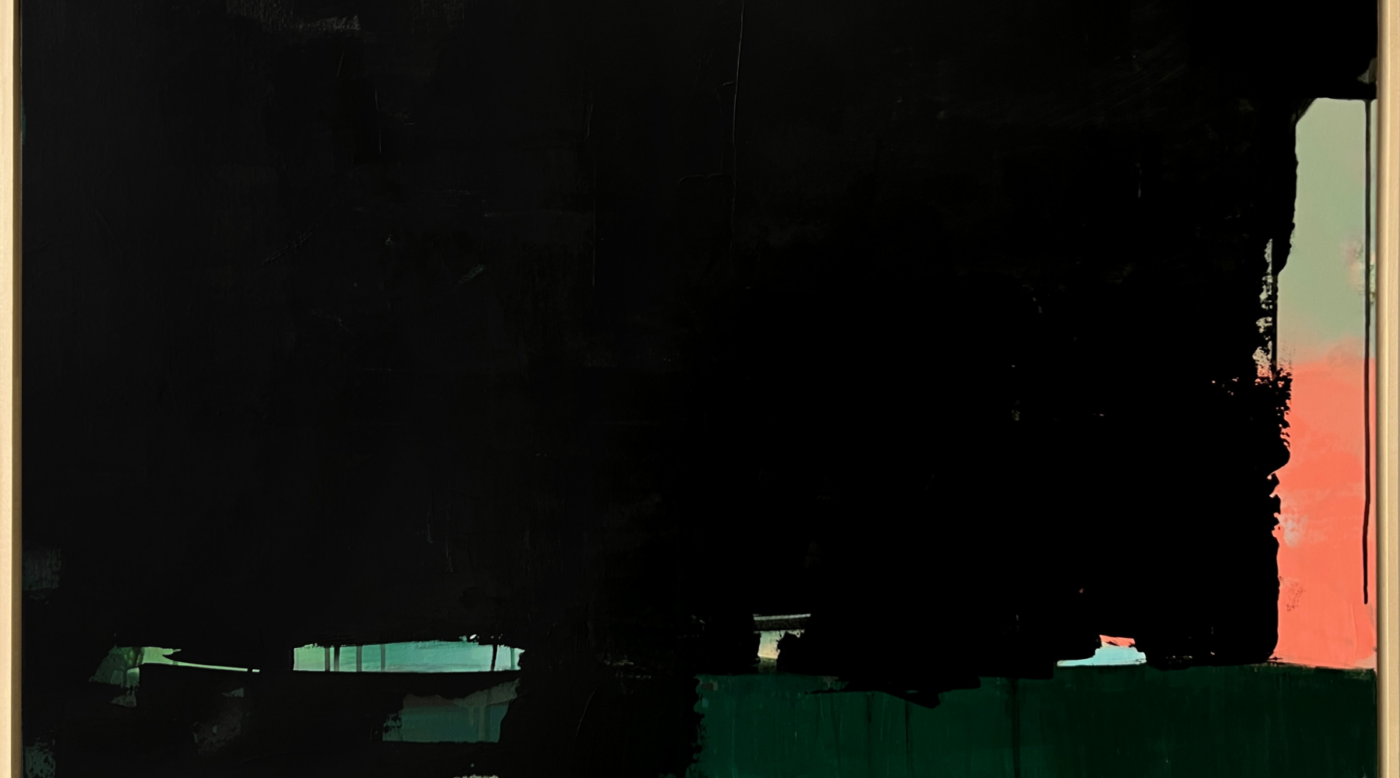
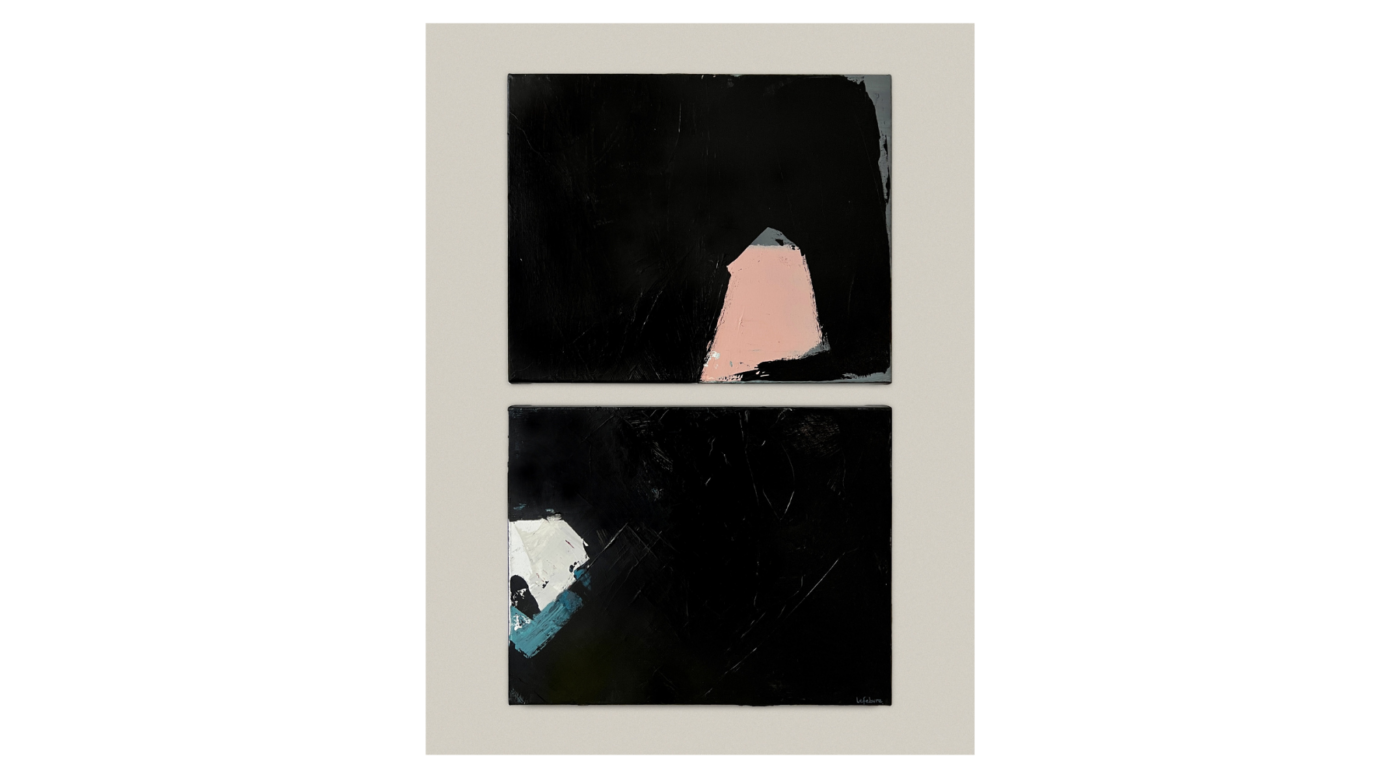
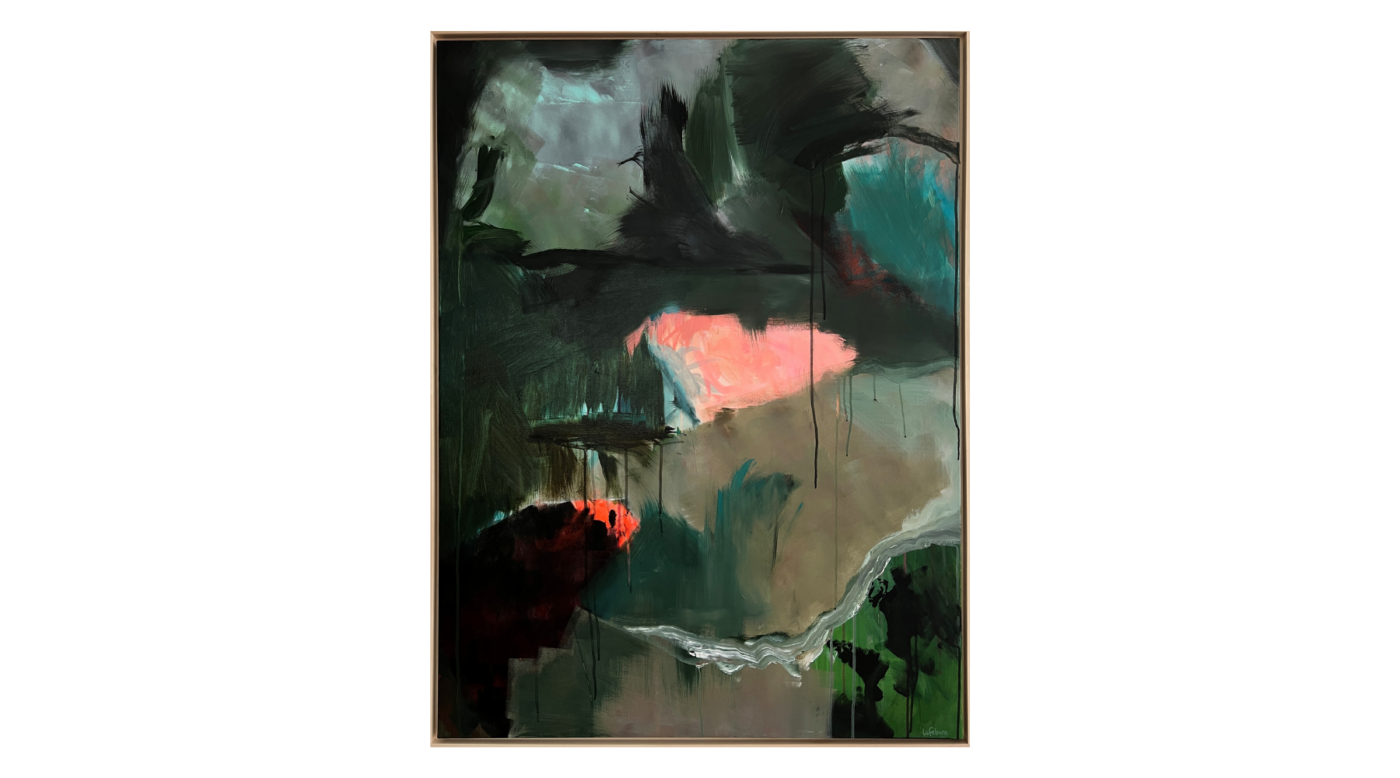
With the Mes silences collection, it’s really different. As soon as I found out I was in remission after my cord blood transplant, I wanted to rediscover the calm of my life before the illness. A sense of peace, too, since I had experienced so much grief within our respective families. So it was a hymn to tranquility after the chaos—a serene beauty that lies within the darkness.
I say “it was” because I learned last October that the disease had returned for the third time. The black that appears in my paintings now may take a new direction. In fact, it may be the mourning of my remission that comes to the forefront. With a few glimmers of light, always. For hope.”
Fundamental research can sometimes seem thousands of kilometers removed from patients’ daily lives. Yet meeting Mélanie reminds us just how essential it is. Her journey also reminds us of how far we still have to go—research takes time. It requires patience, perseverance, and support.
But how wonderful it is to see a discovery born in the laboratory one day become part of a person’s story, opening up new possibilities and allowing them to pursue their goals. Every discovery can open new avenues, which is why it’s essential to continue our efforts and support those who dedicate themselves to this work.
We invite you to discover the works of Mélanie Lefebvre and the texts that accompany them, to extend this encounter through her paintings and her writing.
Mélanie, thank you for opening a window into your world and sharing a part of your story with us. We wish you many more canvases to create, projects to bring to life, moments to love and laugh, and those little joys that make the heart beat faster and remind us of the beauty of life.